
Rigid Esophagoscope: Uses, Benefits, and Clinical Importance
A Rigid Esophagoscope is a specialized medical instrument used for examining and treating conditions within the esophagus. It plays a crucial role in both diagnostic and therapeutic procedures, especially where precision is required. This tool is commonly used by ENT specialists and gastroenterologists in clinical settings.
What is a Rigid Esophagoscope?
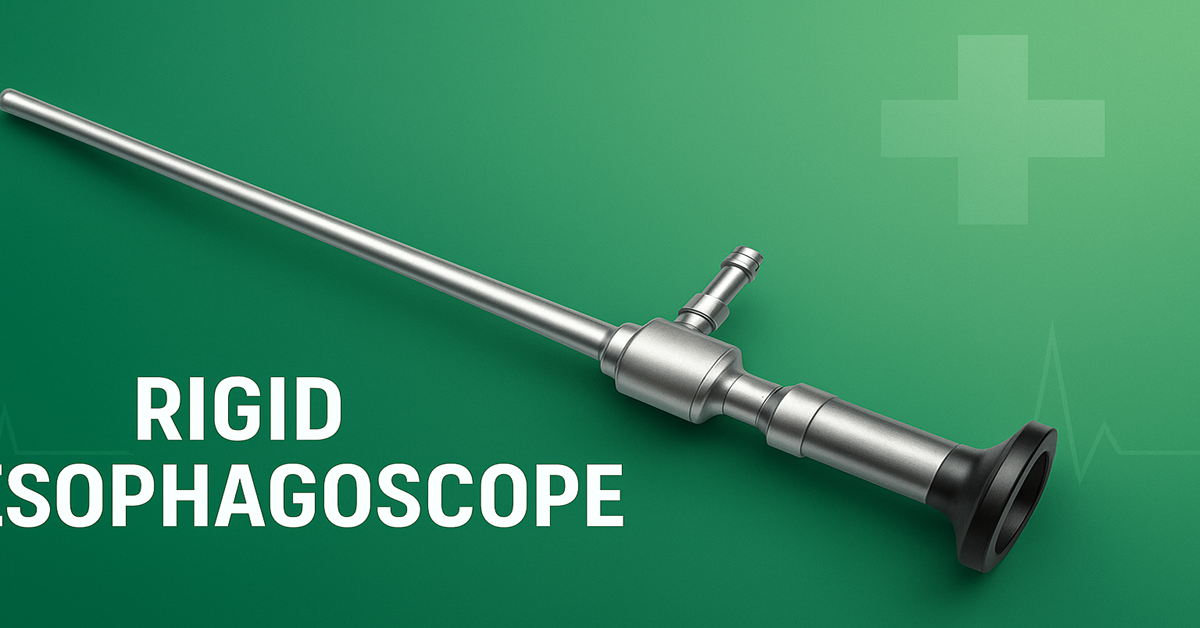
The rigid esophagoscope is a straight, hollow metal tube designed to be inserted through the mouth into the esophagus. It comes with a built-in light source that helps doctors clearly view the esophageal lining. Compared to flexible scopes, it provides better control and stability during procedures.
Key Uses of Rigid Esophagoscope
Diagnostic Applications
One of the main purposes of a rigid esophagoscope is to identify abnormalities such as tumors, strictures, or inflammation. Patients experiencing swallowing difficulties or throat discomfort may require this examination. It allows doctors to make accurate diagnoses with clear visualization.
Removal of Foreign Bodies
The rigid esophagoscope is highly effective in removing objects stuck in the esophagus. This is particularly important in emergency cases, especially among children and elderly patients. The instrument ensures safe and quick removal.
Biopsy Procedures
Doctors use a rigid esophagoscope to collect tissue samples from suspicious areas. These samples help diagnose serious conditions like cancer or infections. The rigid design allows precise targeting during biopsy procedures.
Therapeutic Benefits of Rigid Esophagoscope
Treatment of Esophageal Strictures
The rigid esophagoscope is used to treat narrowing of the esophagus. Doctors can perform dilation procedures to widen the passage, helping patients swallow more easily and improving their quality of life.
Surgical Assistance
This instrument is also useful in various surgical procedures involving the esophagus. Its stability allows surgeons to perform delicate operations with greater control.
Procedure and Patient Preparation
The procedure using a rigid esophagoscope is typically performed under general anesthesia. The instrument is carefully inserted through the mouth into the esophagus. Patients are usually advised to fast before the procedure and inform doctors about their medical history.
Risks and Safety Considerations
Like any medical procedure, the use of a rigid esophagoscope carries some risks. These may include minor injuries, bleeding, or rare complications such as perforation. However, when performed by experienced professionals, it is generally safe.
Advantages Over Flexible Endoscopes
Although flexible scopes are widely used, the rigid esophagoscope offers better control and durability. It is particularly useful in procedures requiring precision and stability. The choice depends on the specific medical condition.
Technological Advancements
Modern versions of the rigid esophagoscope come with enhanced lighting and improved optical systems. Some models include additional channels for surgical instruments, increasing their versatility in treatment.
Clinical Importance of Rigid Esophagoscope
The rigid esophagoscope remains an essential tool in hospitals and surgical centers. It requires skilled professionals for proper use and plays a vital role in diagnosing and treating esophageal conditions.
Conclusion
In conclusion, the rigid esophagoscope is a crucial instrument in modern medicine. Its ability to diagnose and treat a wide range of conditions makes it indispensable in healthcare. With continuous advancements, it will continue to play an important role in improving patient outcomes.